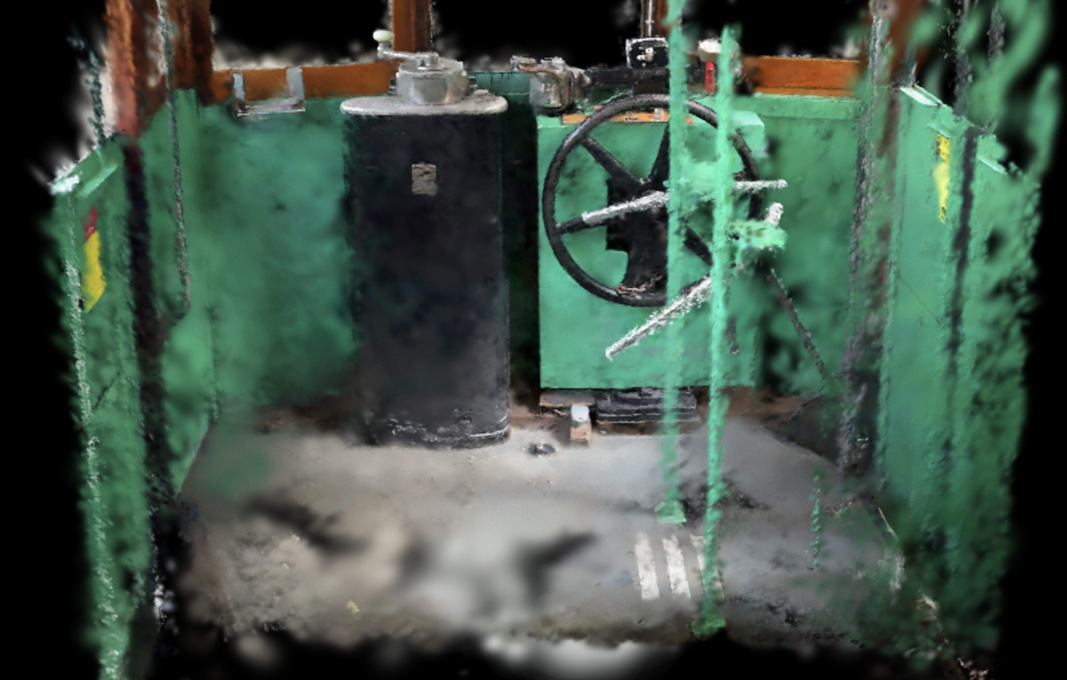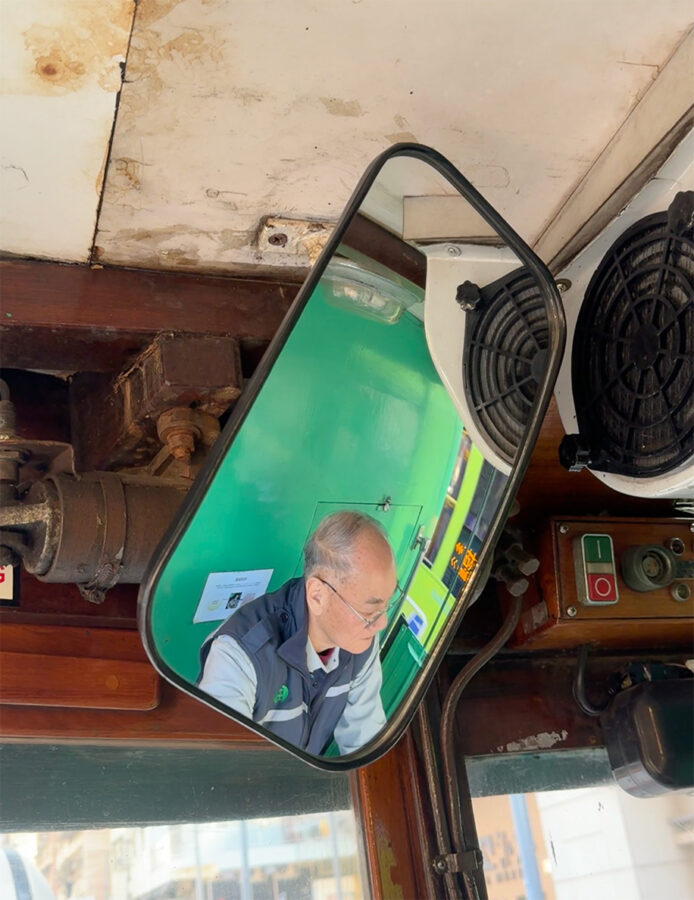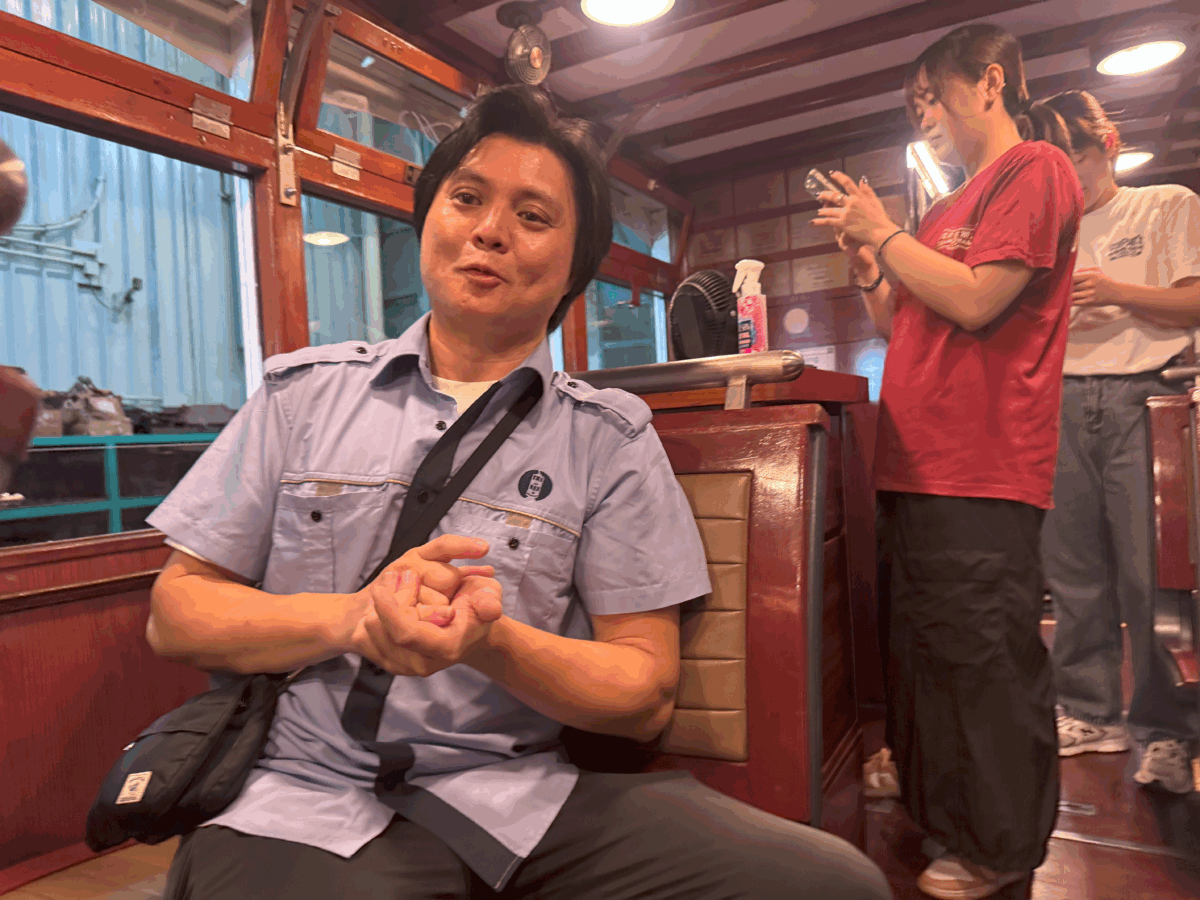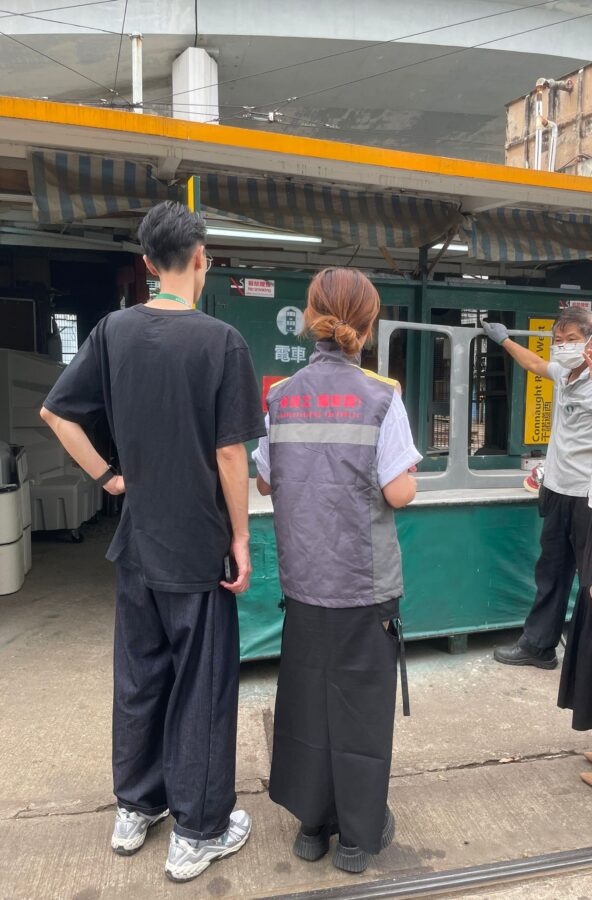
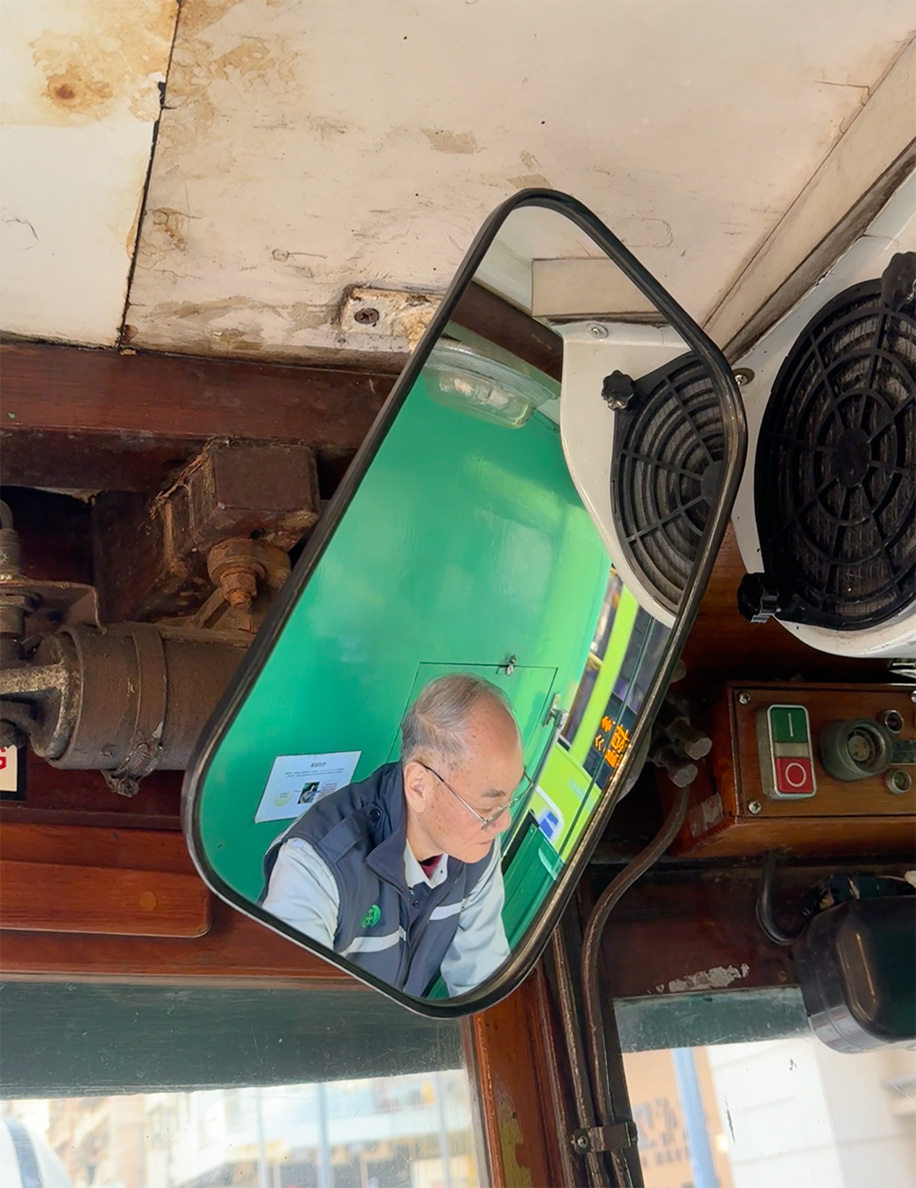
Chief Motorman Chak sifu (master) personally drove us out for a tram ride, sharing trivia of trams along the way.
Most people think trams are slow, but as he explained, it’s not that the tram itself is sluggish — it’s because it often gives way, letting cars and buses pass first. That’s how accidents are avoided and overall traffic safety is maintained.
He also revealed how he predicts whether other vehicles might suddenly cut in. The moment he senses any hint, he eases the tram to a halt a few seconds early. That way, the tram comes to a full stop before any crash could happen. It’s what he calls a kind of predictive pause — a foresighted pause that balances tram movement with the chaos of the road.
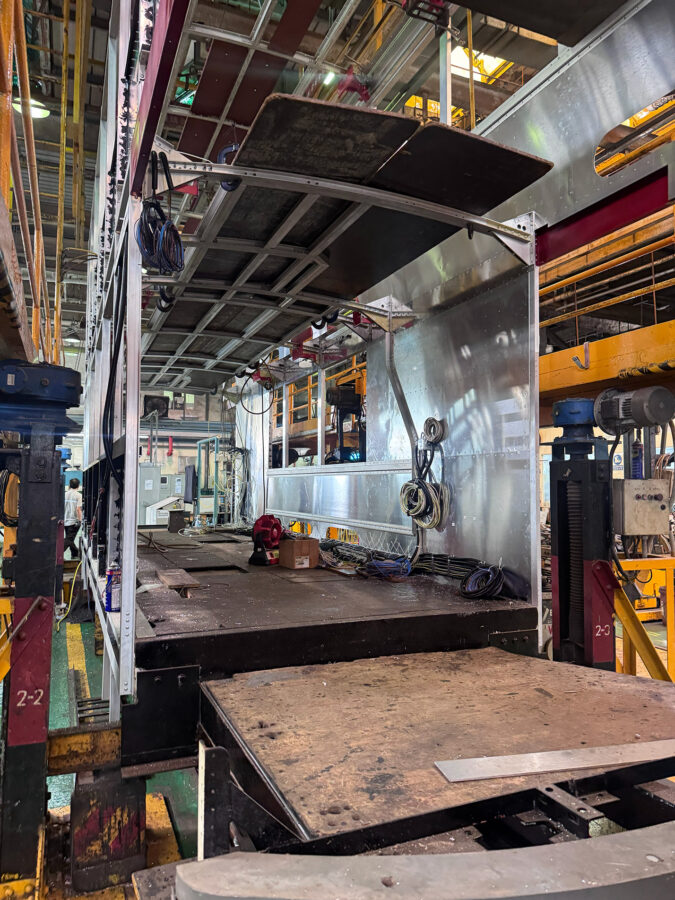
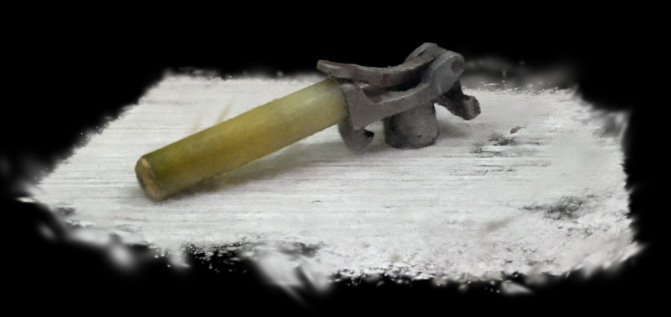
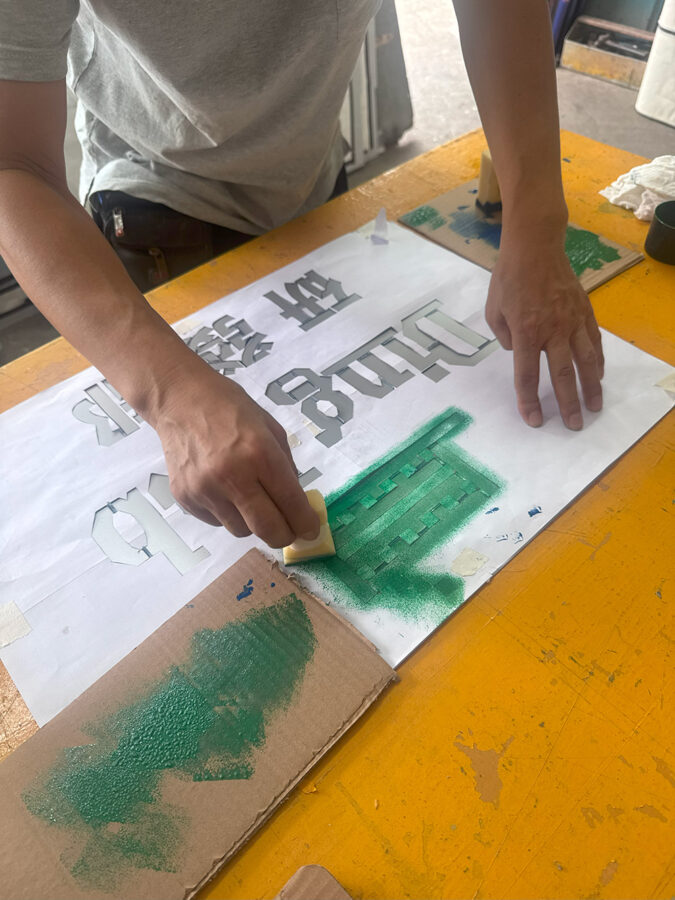
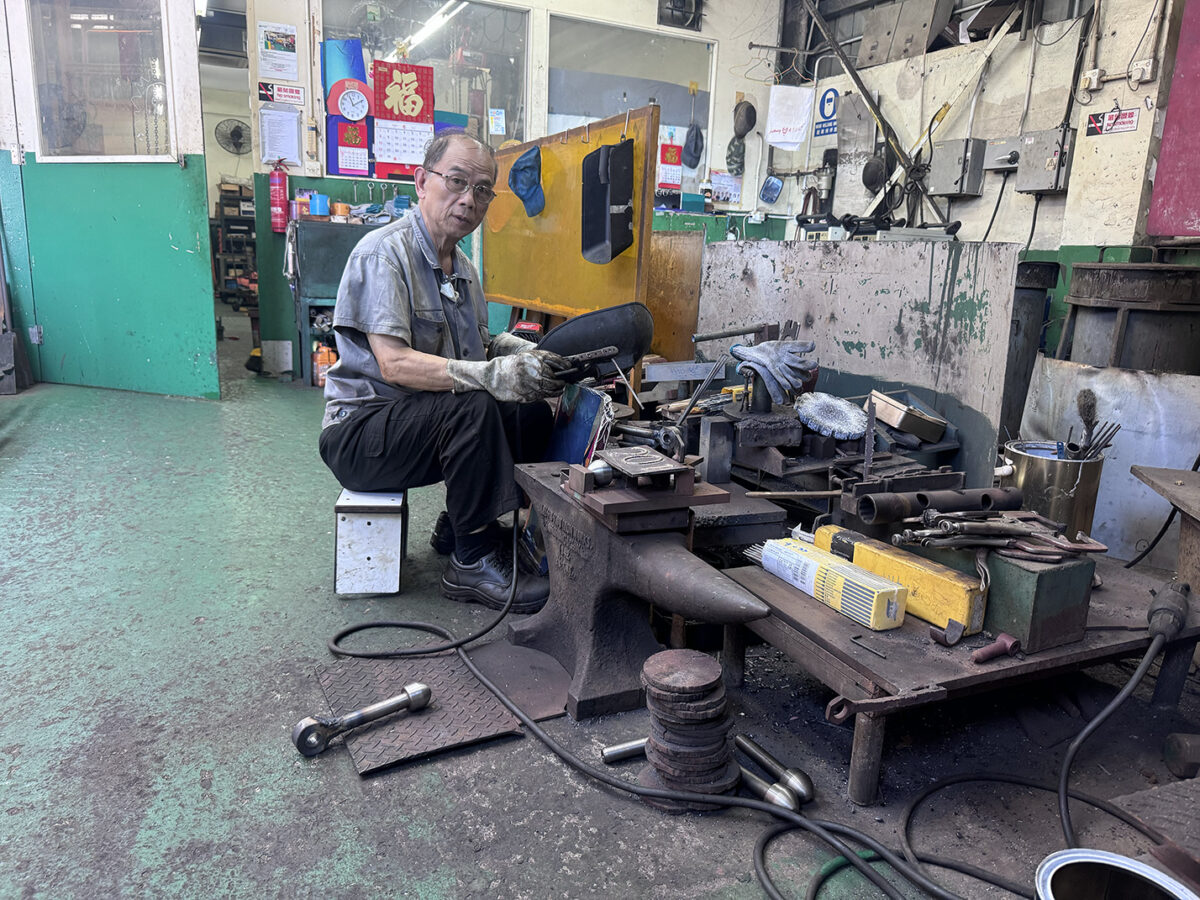
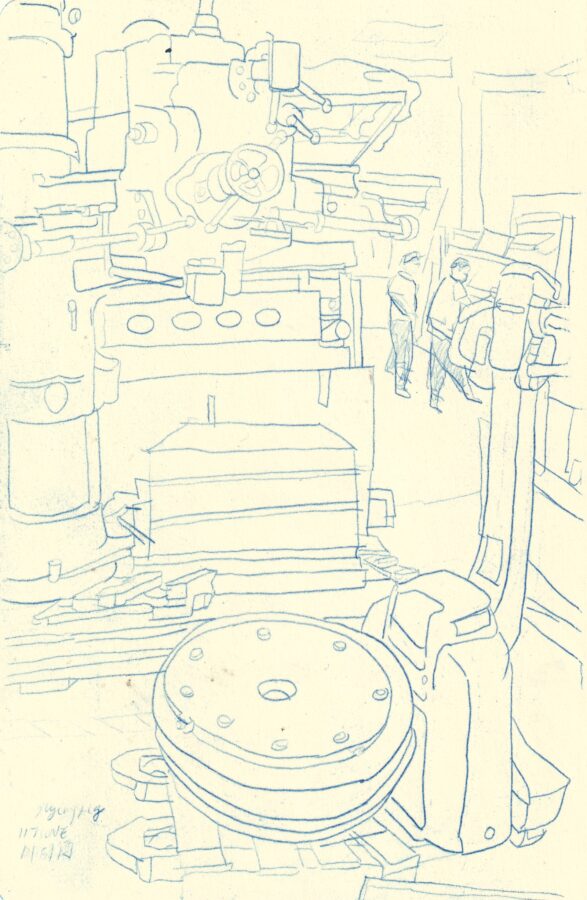
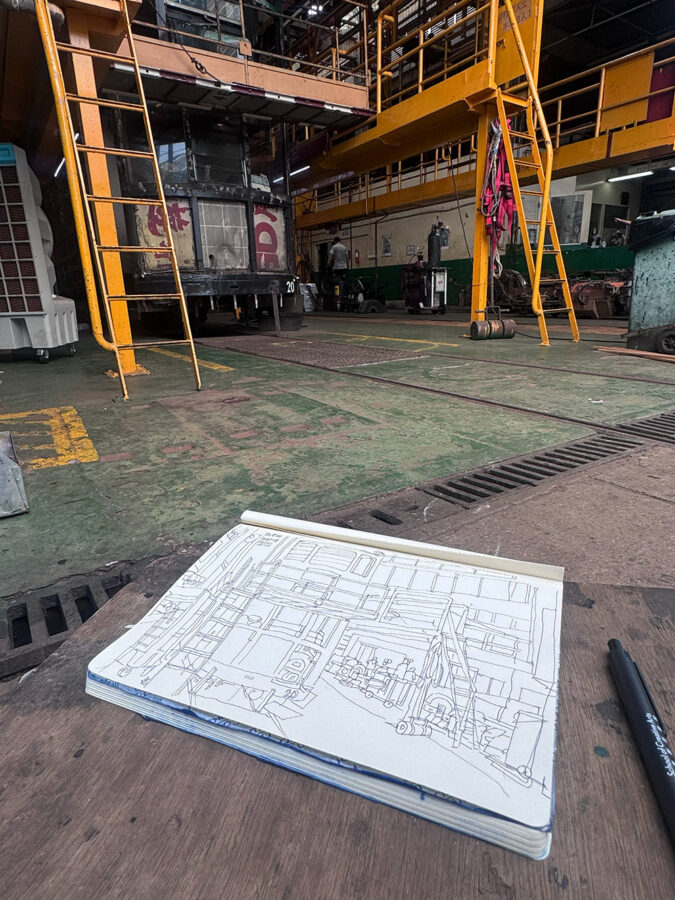
Chak sifu went on to explain that every inch of the tram track is manufactured and carefully maintained by the team. Bends need the most attention, since friction and pressure wear them down quickly. With regular upkeep, passengers enjoy a smoother, safer ride — and this is precisely how the tram, this wonderfully enduring mode of transport, continues to run year after year.
電車總車長澤師傅專程揸車帶我哋遊車河,途中仲同我哋分享咗啲關於電車嘅小知識。
一般人會覺得電車速度較慢,但其實佢本身並唔慢,而係因爲佢成日讓賽,主動比汽車同巴士行先。咁樣係為咗確保交通安全,避免意外發生。
另外,澤師傅仲話俾我哋知,佢點樣預測其他車會唔會突然切線,一睇到苗頭就會提早幾秒煞停架電車。咁樣就可以喺撞車之前完全停定,喺混亂嘅交通裡面保持安全。呢個過程其實係一種『預測性延遲』——係一種有遠見嘅停頓,令到電車嘅行進同路面嘅混亂取得平衡。
電車公司仲會製作同仔細維護每一寸路軌。轉彎位尤其需要定期保養,因為會成日磨擦同受壓,好容易磨蝕。做好保養,乘客先可以搭得平穩安全。電車呢種歷久不衰嘅交通工具先可以一直行落去。