Stranded Matter 擱淺物質
Medium: Fiberglass Sculpture
Location: Belcher Bay Park
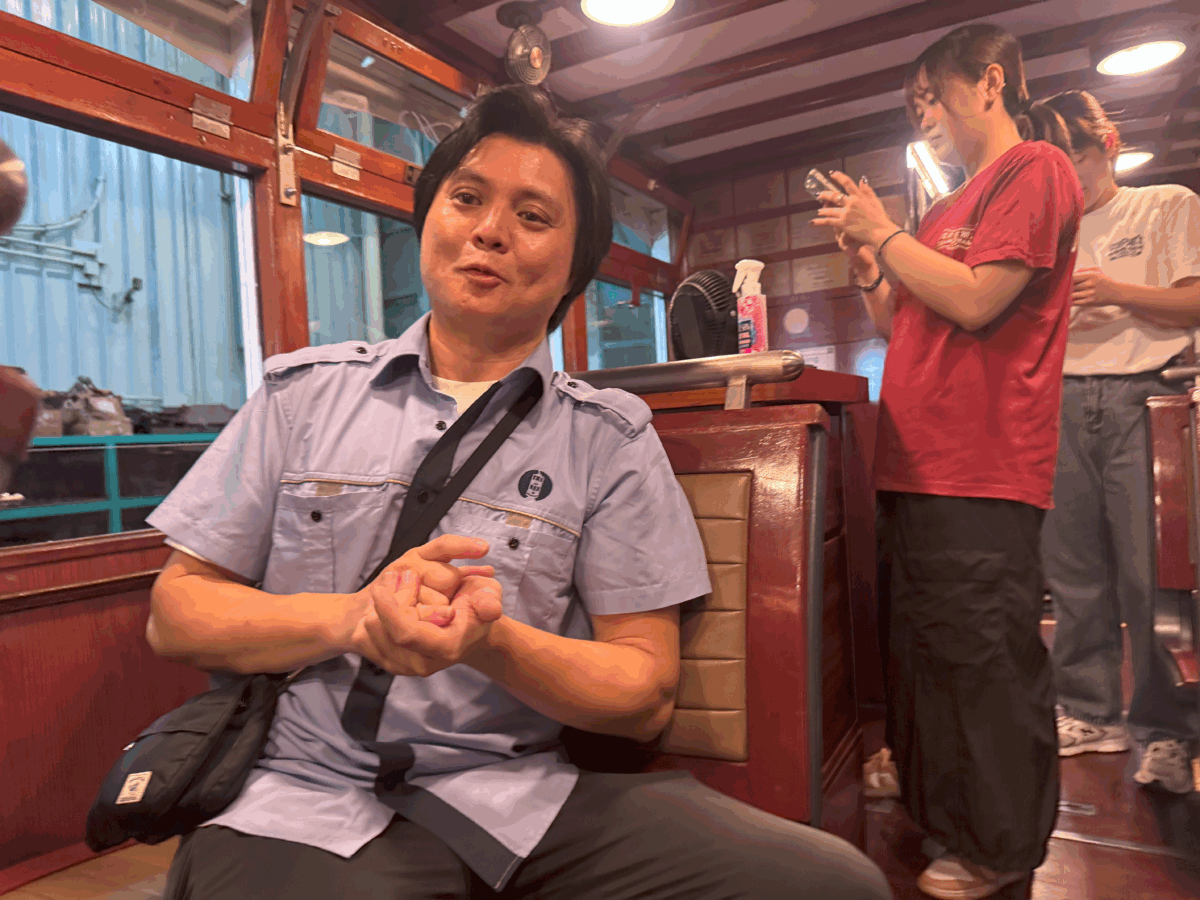
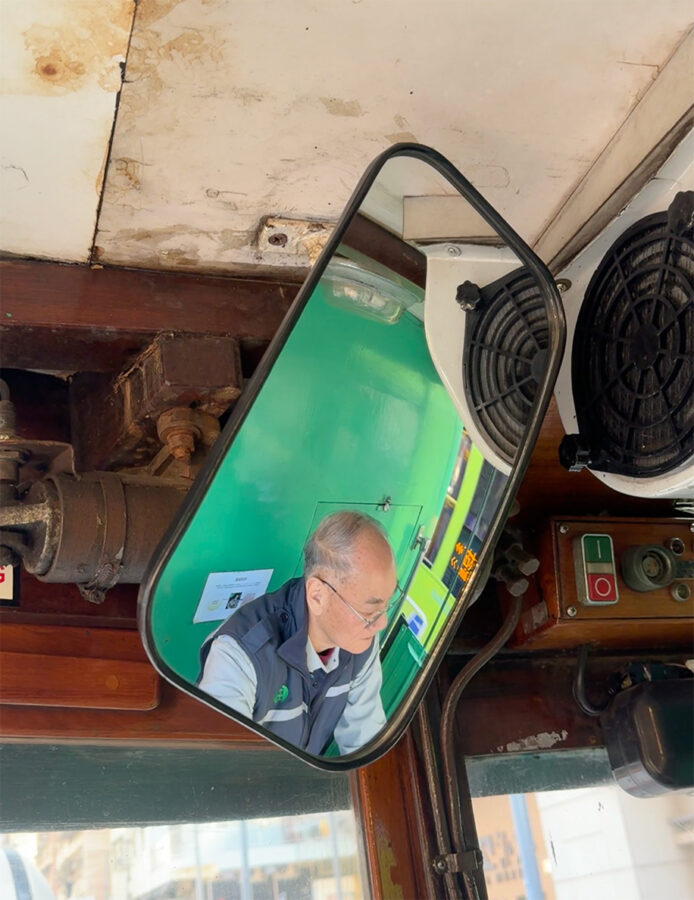
From the early 1900s to the 1990s, the coast of Sai Wan featured a unique meeting point between the waters of the South China Sea and the tram tracks that bordered the land. Many tram drivers from that era recall the memory of waves brushing against the body of trams. From the 1980s onwards, however, land reclamation projects gradually revised the original shoreline by extending it outward. The union between the water’s waves and trams was lost.
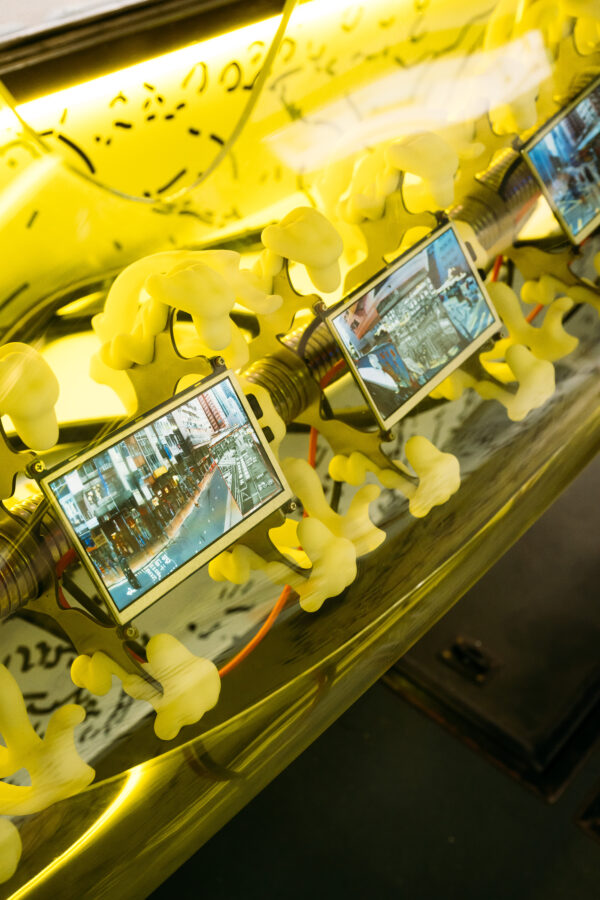
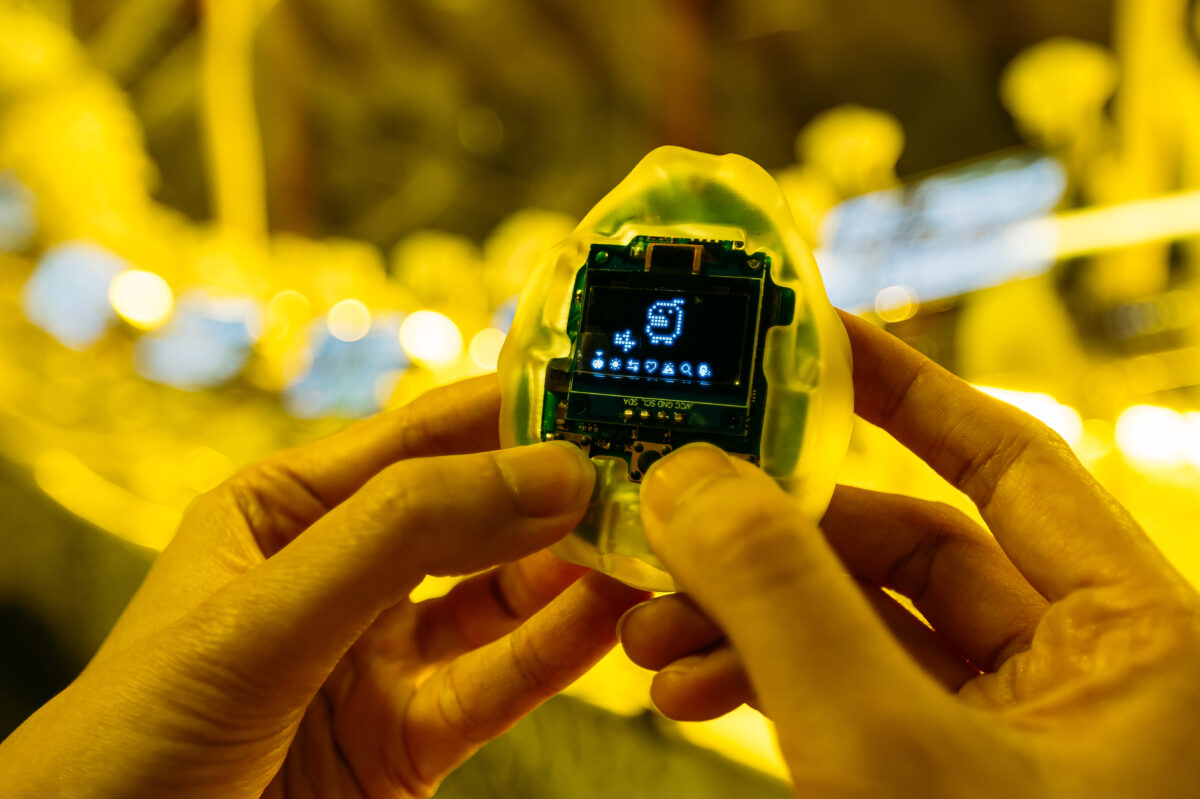
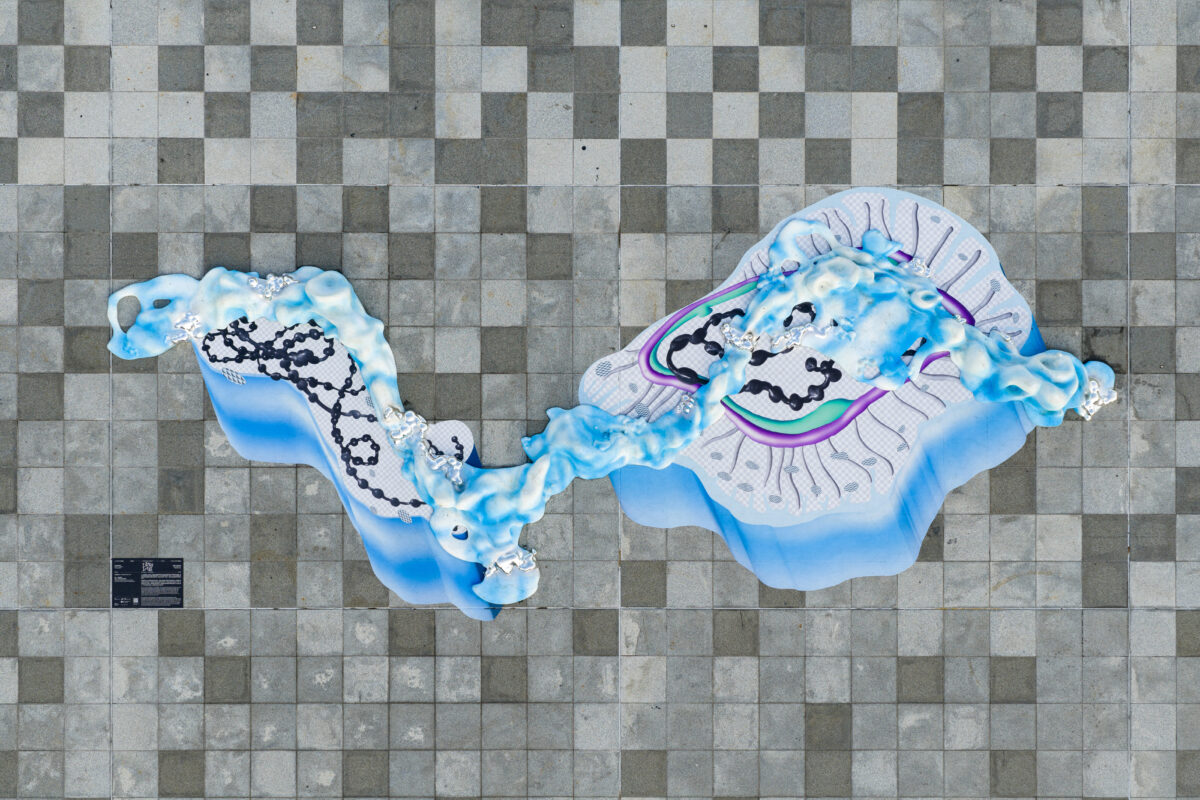
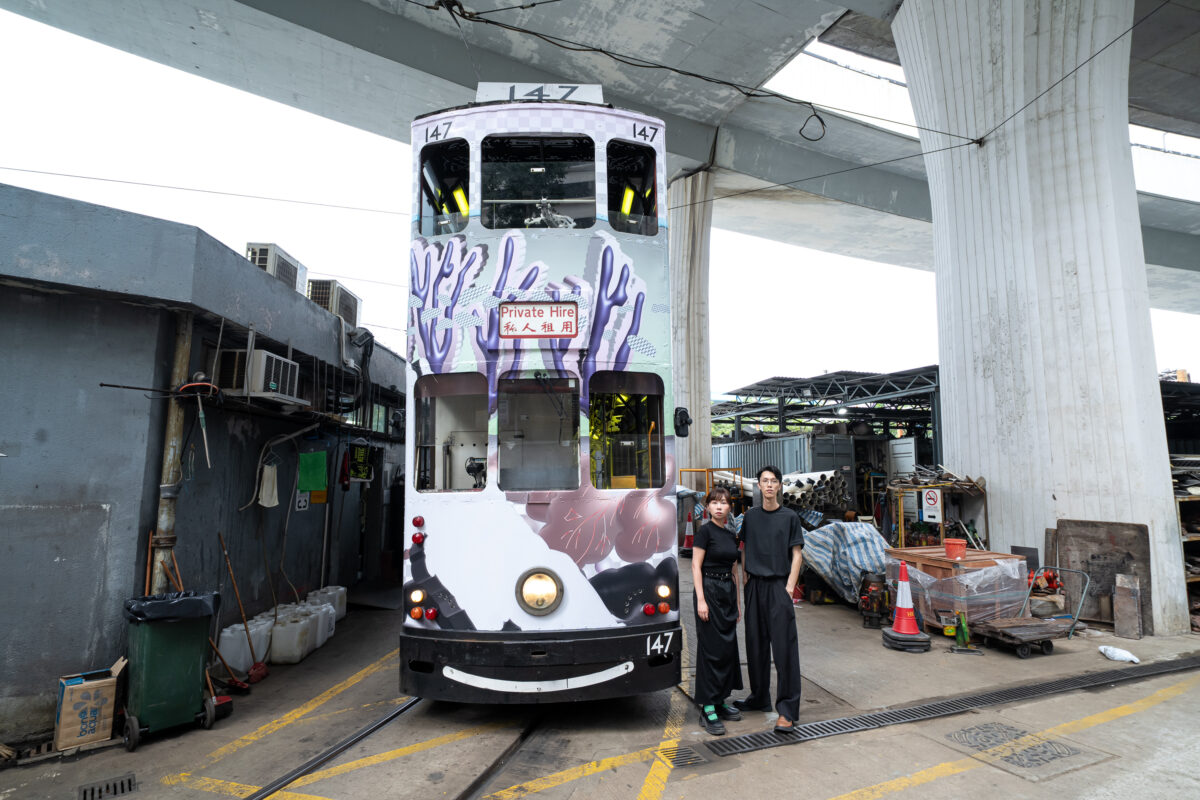
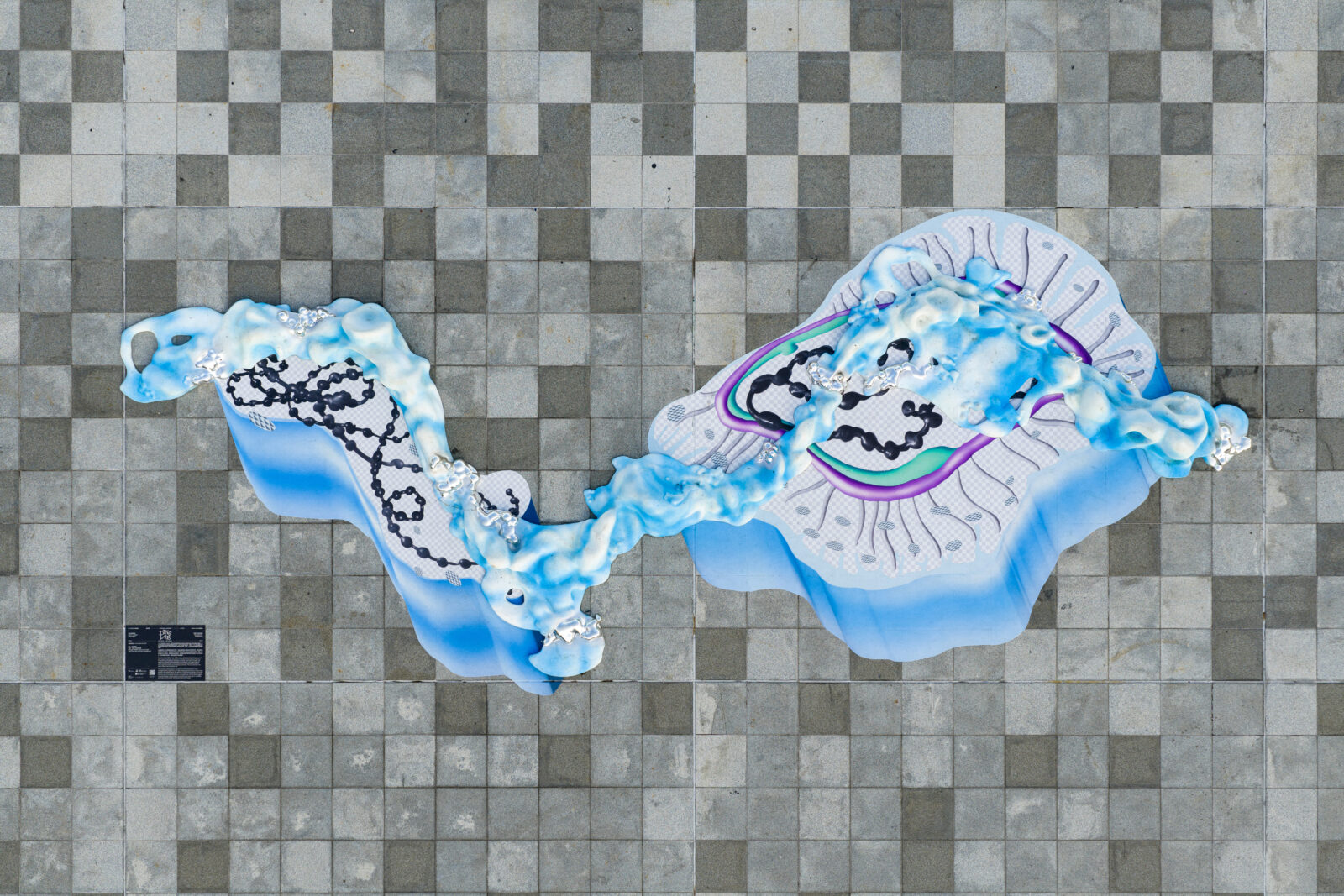
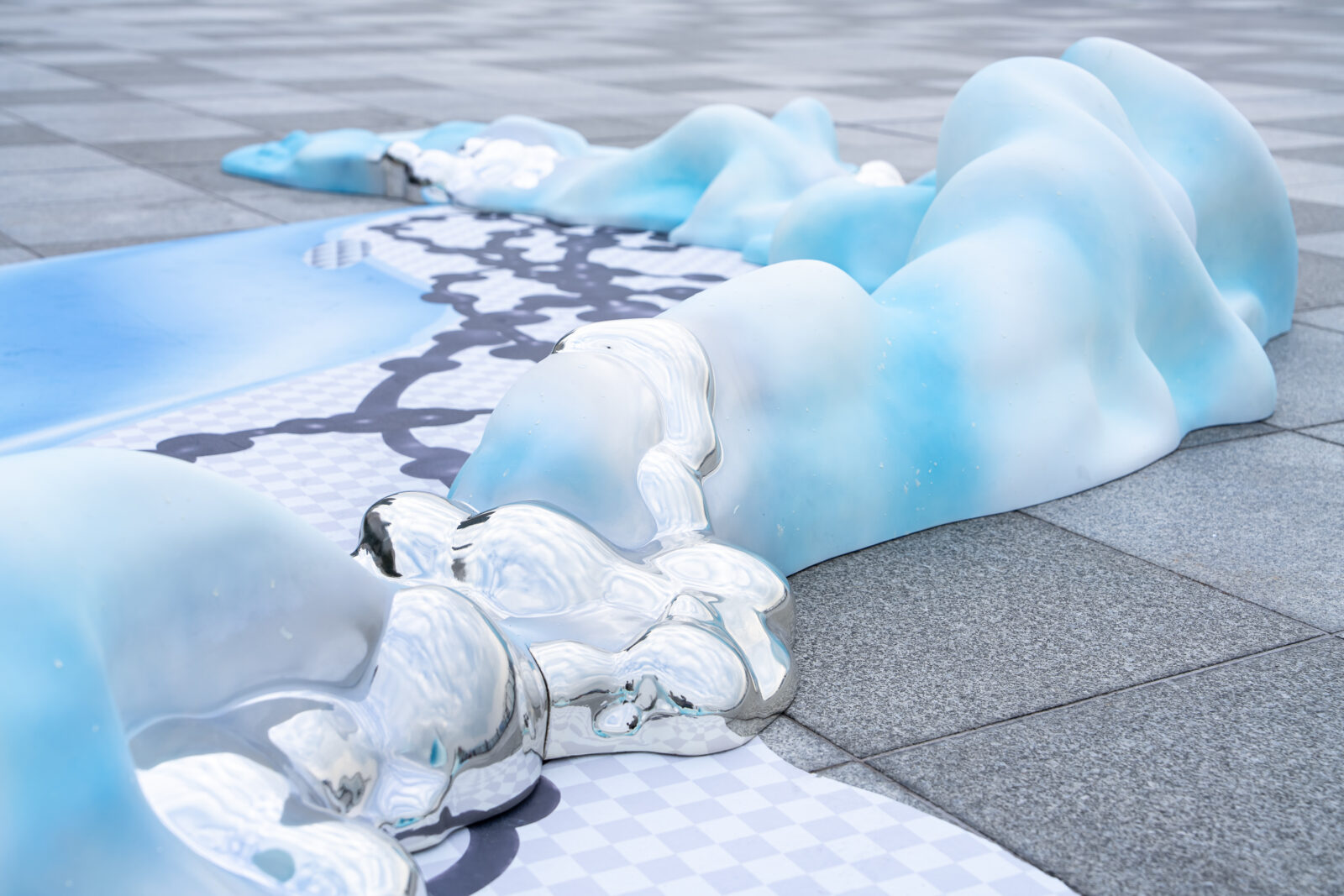
This historic meeting point is explored in Stranded Matter, which reimagines the origin story of trams, proposing a connection to both land and sea and commenting on the symbiotic relationship between nature and machine. The artwork takes the form of a sculpture resembling a sea wave that has been stranded on the shore. Its position by the shoreline suggests a tension between revisiting the tram’s path and returning to the ocean, inviting ruminations on lost connections and the past.
Location: Belcher Bay Park
From the early 1900s to the 1990s, the coast of Sai Wan featured a unique meeting point between the waters of the South China Sea and the tram tracks that bordered the land. Many tram drivers from that era recall the memory of waves brushing against the body of trams. From the 1980s onwards, however, land reclamation projects gradually revised the original shoreline by extending it outward. The union between the water’s waves and trams was lost.
This historic meeting point is explored in Stranded Matter, which reimagines the origin story of trams, proposing a connection to both land and sea and commenting on the symbiotic relationship between nature and machine. The artwork takes the form of a sculpture resembling a sea wave that has been stranded on the shore. Its position by the shoreline suggests a tension between revisiting the tram’s path and returning to the ocean, inviting ruminations on lost connections and the past.
媒材: 玻璃纖維雕塑
地點: 卑路乍灣公園
作品簡介
從 1900 年代初期到 1990 年代,西環海岸線曾見證過一段獨特的交匯點——南中國海的海水與陸地邊緣的電車軌道僅咫尺之遙。許多當年的電車司機至今仍記得浪花拍打車身的記憶。然而,自 1980 年代起,填海工程逐步將原本的海岸線向外延伸,海浪與電車之間的連結自此消逝。
《擱淺物質》深入探討了這段歷史交匯點,重新構想了電車的起源故事,提出其與陸地和海洋的雙重聯繫,並評論了自然與機器之間的共生關係。這件作品以雕塑形式呈現,酷似一道擱淺在岸上的海浪。其位於海岸線的地理位置,暗示了「重訪電車路徑」與「回歸海洋」之間的張力,引發人們對消逝的連結與往昔時光的沉思。
地點: 卑路乍灣公園
作品簡介
從 1900 年代初期到 1990 年代,西環海岸線曾見證過一段獨特的交匯點——南中國海的海水與陸地邊緣的電車軌道僅咫尺之遙。許多當年的電車司機至今仍記得浪花拍打車身的記憶。然而,自 1980 年代起,填海工程逐步將原本的海岸線向外延伸,海浪與電車之間的連結自此消逝。
《擱淺物質》深入探討了這段歷史交匯點,重新構想了電車的起源故事,提出其與陸地和海洋的雙重聯繫,並評論了自然與機器之間的共生關係。這件作品以雕塑形式呈現,酷似一道擱淺在岸上的海浪。其位於海岸線的地理位置,暗示了「重訪電車路徑」與「回歸海洋」之間的張力,引發人們對消逝的連結與往昔時光的沉思。