Defragmentation Programme 磁碟重組程式
Medium: AI camera, Metal and Acrylic Sculpture, Screens
Location: Lower Floor
Defragmentation Programme imagines a future in which our memories can be reorganised and streamlined, much like data in a computer. The work draws on the theoretical framework of “schema” in cognitive psychology, which explores how humans organize and reconstruct personal memories through cognitive structures. As organizational templates for memory, schemas structure nostalgia to selectively emphasize positive recollections, obscuring the incompleteness or negative aspects of memory, and shaping an idealized image of the past. In alignment with this, Defragmentation Programme proposes the existence of a cyborg that can meticulously reorganise scattered data blocks into a single, seamless hard drive unit, illustrating how we reframe and recreate the nostalgic past via a collection of memories.
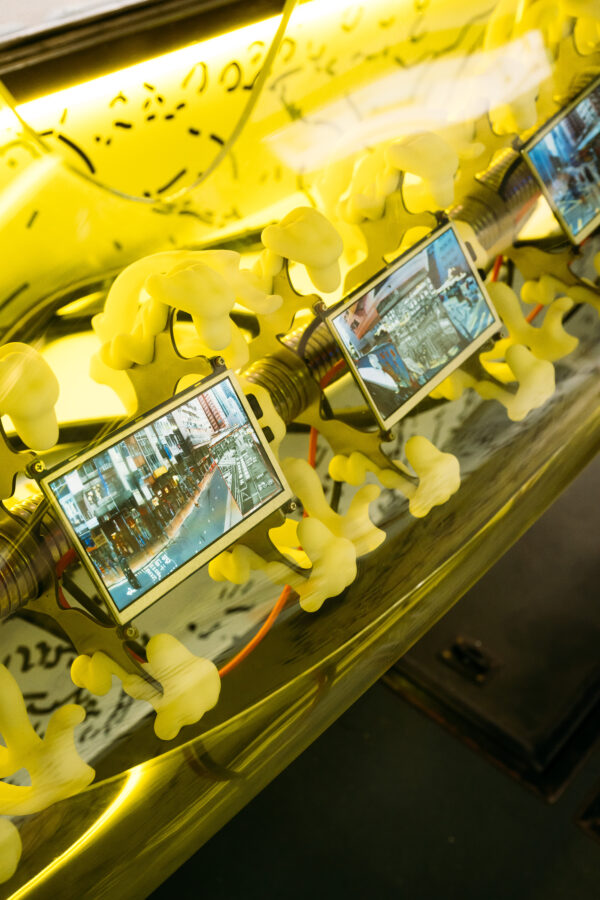
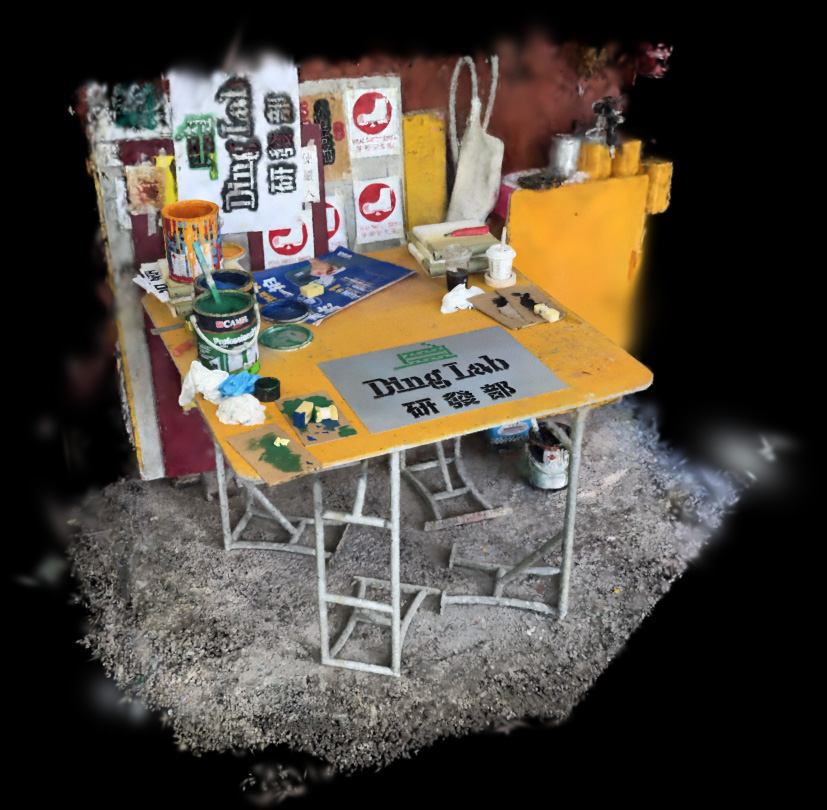
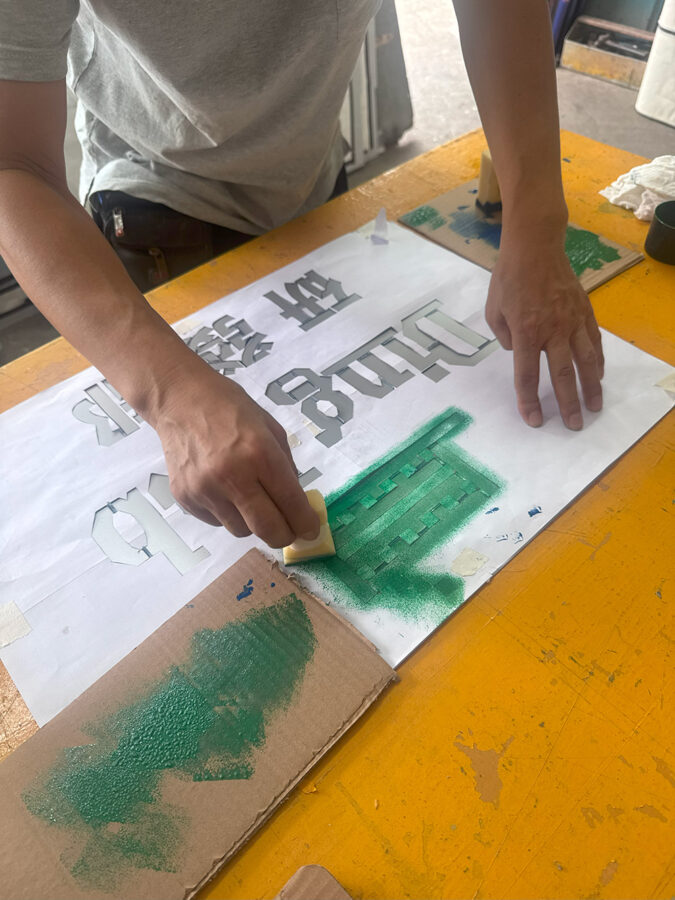
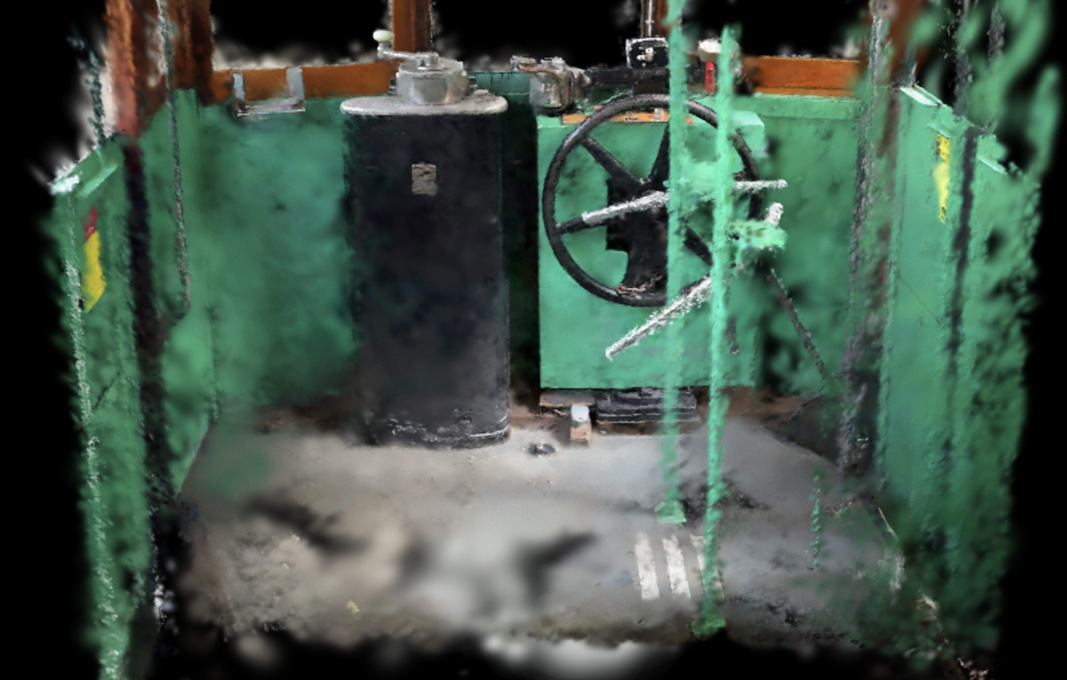
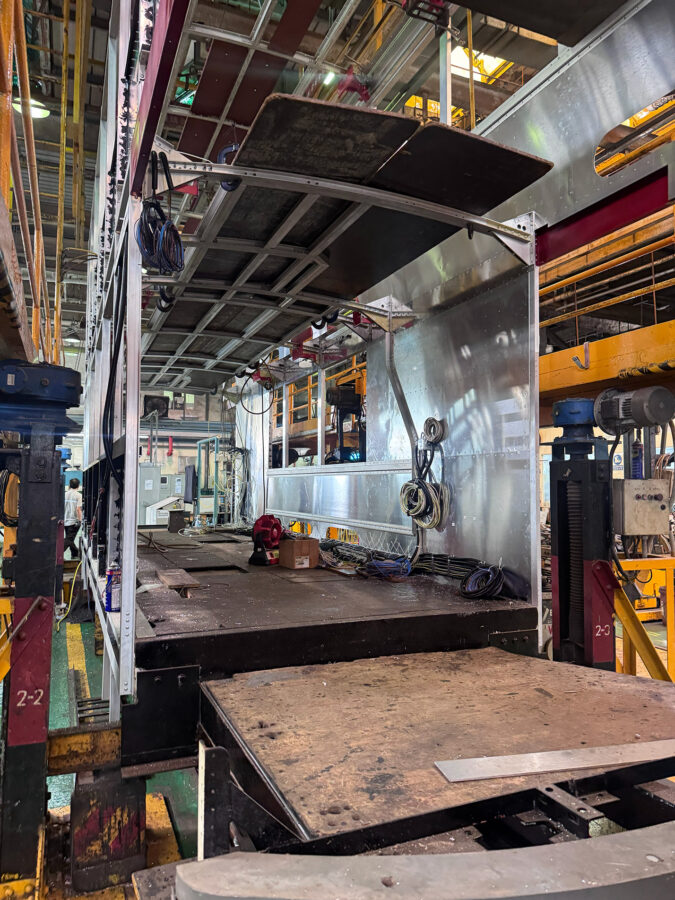
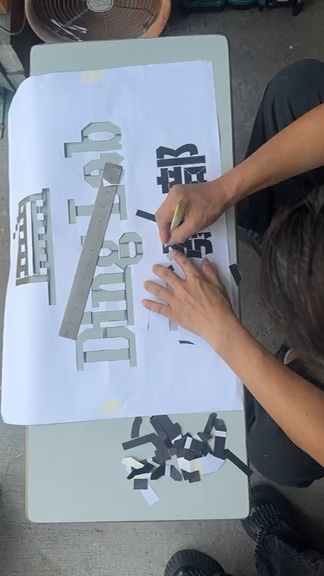
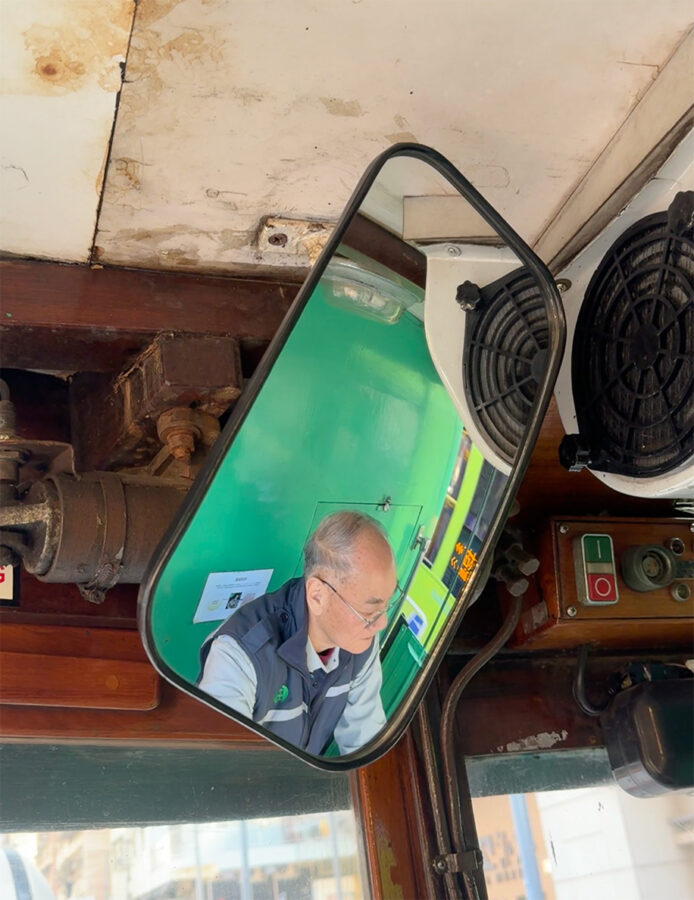
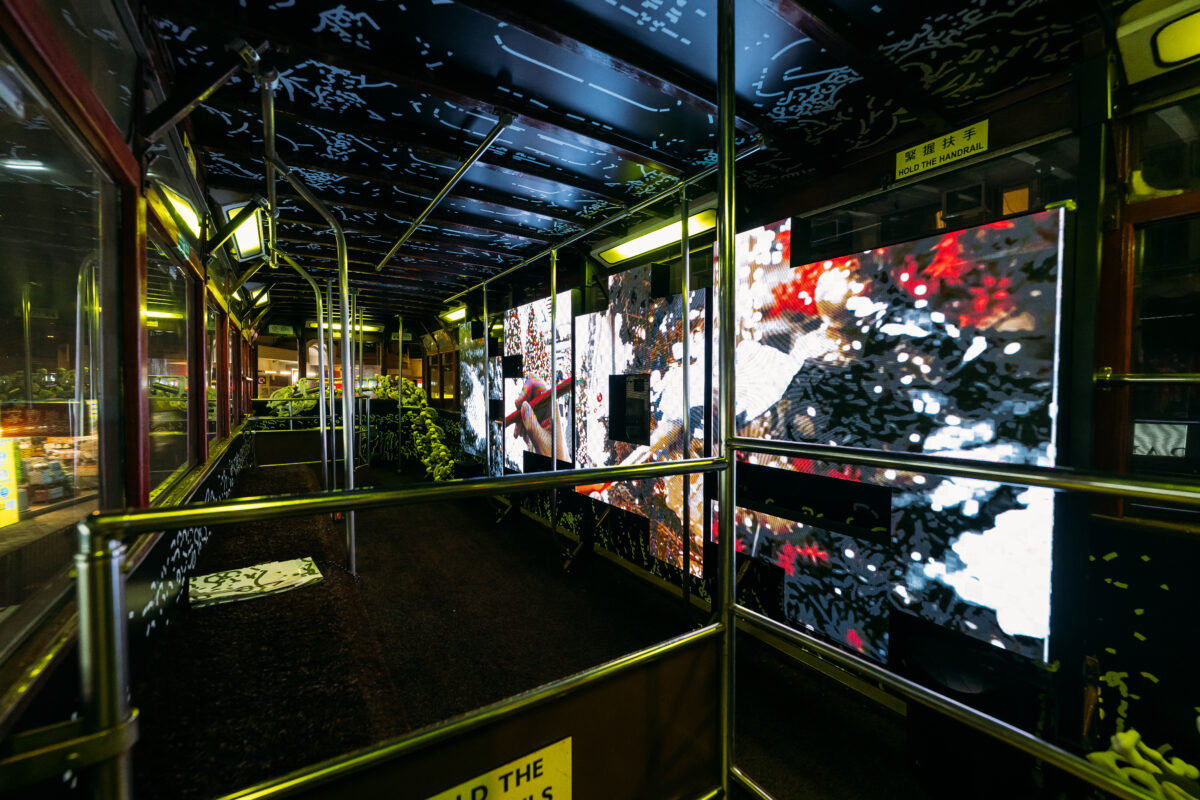
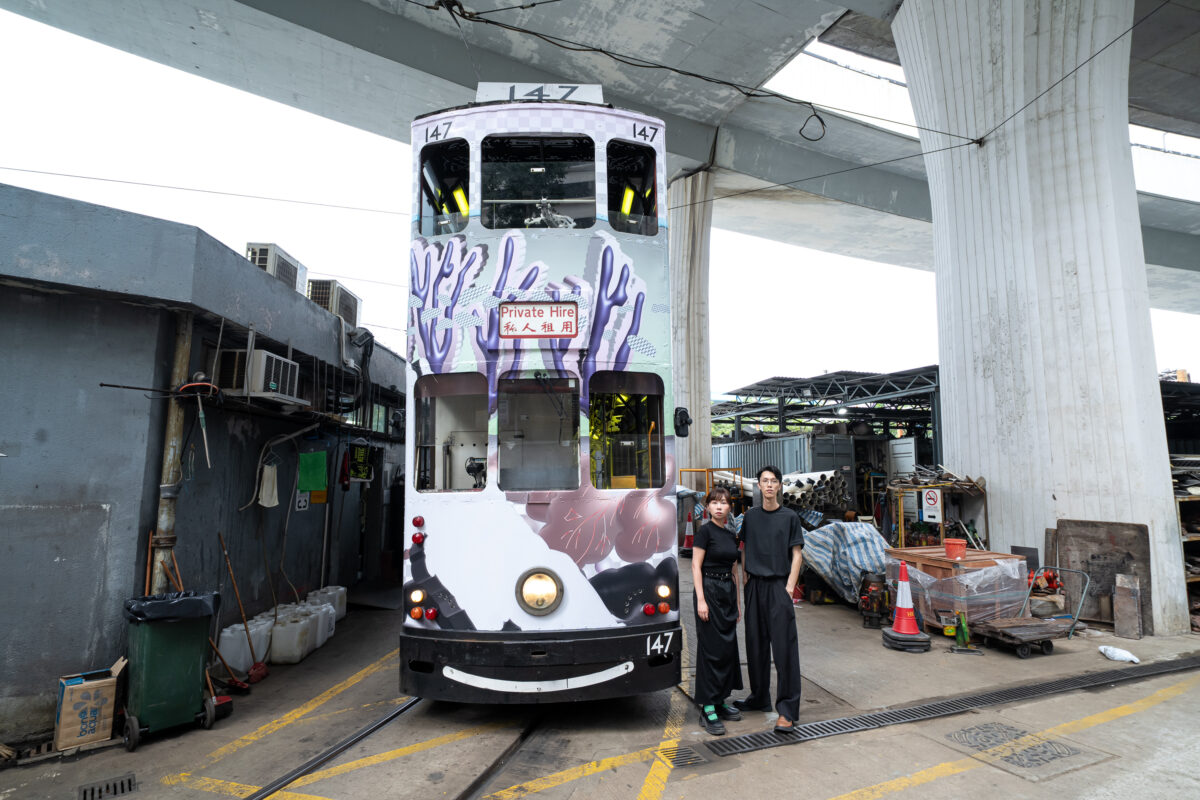
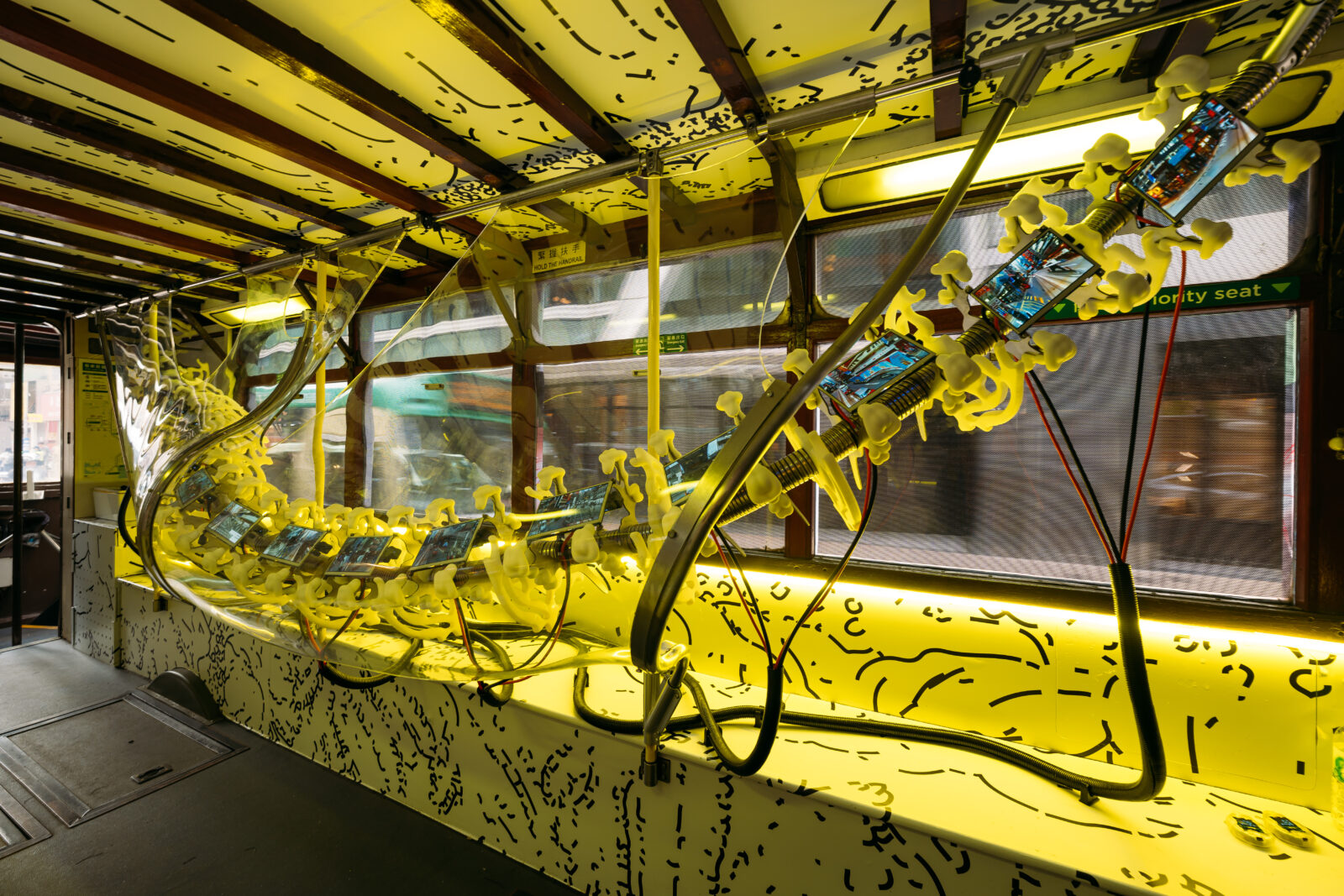
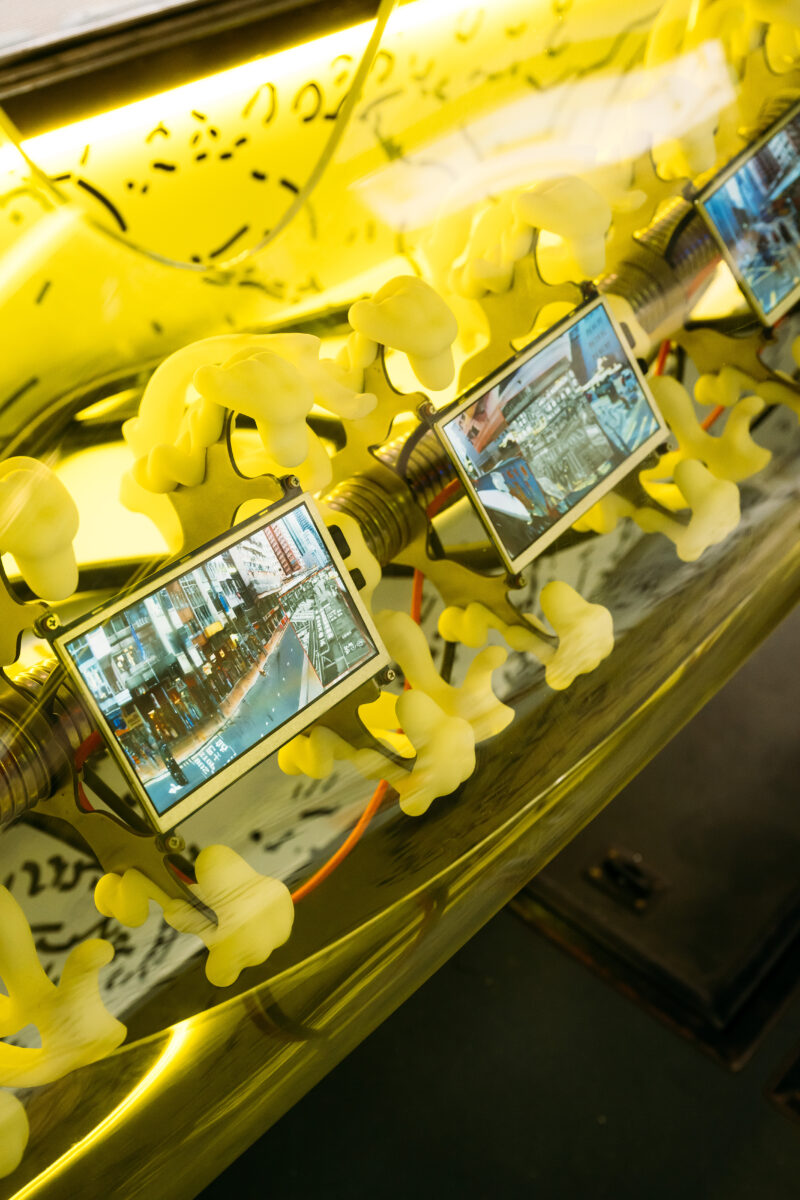
Presented by fictional research team “Ding Lab”, the cyborg and its processing system is embodied via an installation that runs the length of the tram’s lower deck. Resembling a giant spine or nerve system, the installation is composed of sixteen screens, each streaming the same live footage from the front of the tram, with a few seconds’ delay between them. This visual representation employs completely faithful image replication, avoiding loss by filling in the gaps with data from different time sections within the cyborg’s hard drive. This process mimics the way in which tram drivers must rely on their accumulated memories to predict and anticipate their next move, creating seamless motion.
Location: Lower Floor
Defragmentation Programme imagines a future in which our memories can be reorganised and streamlined, much like data in a computer. The work draws on the theoretical framework of “schema” in cognitive psychology, which explores how humans organize and reconstruct personal memories through cognitive structures. As organizational templates for memory, schemas structure nostalgia to selectively emphasize positive recollections, obscuring the incompleteness or negative aspects of memory, and shaping an idealized image of the past. In alignment with this, Defragmentation Programme proposes the existence of a cyborg that can meticulously reorganise scattered data blocks into a single, seamless hard drive unit, illustrating how we reframe and recreate the nostalgic past via a collection of memories.
Presented by fictional research team “Ding Lab”, the cyborg and its processing system is embodied via an installation that runs the length of the tram’s lower deck. Resembling a giant spine or nerve system, the installation is composed of sixteen screens, each streaming the same live footage from the front of the tram, with a few seconds’ delay between them. This visual representation employs completely faithful image replication, avoiding loss by filling in the gaps with data from different time sections within the cyborg’s hard drive. This process mimics the way in which tram drivers must rely on their accumulated memories to predict and anticipate their next move, creating seamless motion.
媒材: 人工智慧攝影機、金屬與壓克力雕塑、螢幕
地點: 下層車廂
《磁碟重組程式》構想了一個記憶可以如電腦數據般被重新整理與優化的未來。本作品借鑒了認知心理學中「圖式」(Schema)的理論框架,探討人類如何透過認知結構來組織並重建個人記憶。圖式作為記憶的組織模板,建構了一種「懷舊感」,選擇性地強調正面回憶,並遮蔽記憶的殘缺或負面面貌,進而形塑出一個理想化的過去。與此呼應,《磁碟重組程式》提出了一種「賽博格」(Cyborg)的存在,它能精密的將散落的數據塊重組為一個完整無縫的硬碟單元,藉此說明我們如何透過記憶的搜集,重新詮釋並創造那段懷舊的往昔。
這件作品由虛構研究團隊「Ding Lab」呈現,將賽博格及其處理系統具象化為橫跨電車下層車廂的裝置。該裝置宛如一條巨大的脊椎或神經系統,由 16 個螢幕組成,每個螢幕皆實時播放來自電車前方的影像,但彼此之間存在數秒的延遲。這種視覺呈現採用了完全忠於原貌的影像複製技術,透過填充賽博格硬碟中不同時段的數據來避免資訊流失。此過程模擬了電車司機必須依靠累積的記憶來預測並判斷下一步行動的方式,進而創造出流暢無阻的運動。
地點: 下層車廂
《磁碟重組程式》構想了一個記憶可以如電腦數據般被重新整理與優化的未來。本作品借鑒了認知心理學中「圖式」(Schema)的理論框架,探討人類如何透過認知結構來組織並重建個人記憶。圖式作為記憶的組織模板,建構了一種「懷舊感」,選擇性地強調正面回憶,並遮蔽記憶的殘缺或負面面貌,進而形塑出一個理想化的過去。與此呼應,《磁碟重組程式》提出了一種「賽博格」(Cyborg)的存在,它能精密的將散落的數據塊重組為一個完整無縫的硬碟單元,藉此說明我們如何透過記憶的搜集,重新詮釋並創造那段懷舊的往昔。
這件作品由虛構研究團隊「Ding Lab」呈現,將賽博格及其處理系統具象化為橫跨電車下層車廂的裝置。該裝置宛如一條巨大的脊椎或神經系統,由 16 個螢幕組成,每個螢幕皆實時播放來自電車前方的影像,但彼此之間存在數秒的延遲。這種視覺呈現採用了完全忠於原貌的影像複製技術,透過填充賽博格硬碟中不同時段的數據來避免資訊流失。此過程模擬了電車司機必須依靠累積的記憶來預測並判斷下一步行動的方式,進而創造出流暢無阻的運動。